
A group of 25 US lawmakers pressed the UN nuclear watchdog agency on Friday to insist on intrusive "special inspections" of Syrian nuclear sites and warned the organization's credibility was at stake.
"We are concerned that Syria's recalcitrance, if it continues unabated, will cause lasting harm to the credibility of the IAEA safeguards regime," they wrote in a letter to International Atomic Energy Agency (IAEA) chief Yukiya Amano.
The group, led by Democratic Senator Kirsten Gillibrand and number-two Republican Senator Jon Kyl, called on Amano to give "urgent consideration to using your authority to call for 'special inspections' in Syria."
"We urge you to take this next step in order to bolster the safeguards regime and bring transparency to the state of Syria's nuclear program," said the 19 senators and six representatives, drawn from both major US parties.
Diplomats in Vienna, where the agency is headquartered, said Wednesday that Syria had agreed to a visit by inspectors from the Vienna-based International Atomic Energy Agency to a nuclear site for the first time since June 2008.
The site, at Homs in the west of the country, is known to the IAEA and is not thought to be suspect.
"Syria has agreed to the principle of a visit," said a source close to the IAEA. It is due to take place on April 1 though the details remain to be determined.
The agreement follows numerous requests and growing impatience on the part of the agency with Damascus's refusals.
The visit will not take in a possible uranium enrichment facility at Al Kibar, which was bombed by Israeli warplanes in 2007, the source said.
"We recognize that Syria has agreed to an inspection of the Homs facility; however, even if Syria were to allow the level of access you have requested, which seems unlikely, such an action would still not adequately address the international community's concerns," the US lawmakers said.
The letter came days before the next meeting of the IAEA's board of governors, to be held from March 7 to 11, during which they will scrutinize Syria's case.
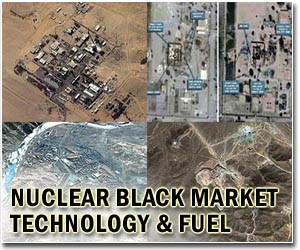
Satellite photos published by a Washington think tank last week appear to show Syrian efforts to conceal a second suspected nuclear site allegedly linked to the reactor bombed by Israel in 2007.
Share This Article With Planet Earth
