
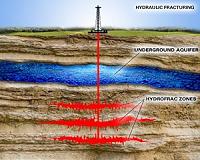
While the shale phenomenon may be spreading, a U.S. Geological Survey report finds the United States will continue to lead in the use of sand for fracking.
Natural sand grains are mixed into hydraulic fracturing fluids to prop open fractures in underground shale deposits to release trapped oil and natural gas. Advances in hydraulic fracturing, known also as fracking, has put the United States, and Canada to a certain extent, in leadership positions in terms of oil and natural gas production.
The North American frac-sand market is a $2.2 billion industry and is expected to expand by as much as 8.9 percent each year through 2016. The United States by next year consumes 75 percent of the global frac-sand supply, with Canada taking the No. 2 spot at 8 percent.
By 2017, the global market for frac-sand will be a $6.1 billion business, the USGS studies found. Globally, Russia and China are taking on more sands, but those markets tend to rely more on synthetic grains made from ceramic.
Hydraulic fracturing started to increase significantly in the United States about 10 years ago, and with that came the increase in demand for frac sand.
Total U.S. crude oil production increased more than 70 percent since 2004.
The Price of Oil, a group critical of the oil and gas industry, said there have been corresponding health concerns with so-called frac-sand. The group said the fine silica sand mined for fracking can cause lung damage.
The Minnesota Department of Natural Resources last year ordered a mine operator to shut down because of environmental concerns.
