
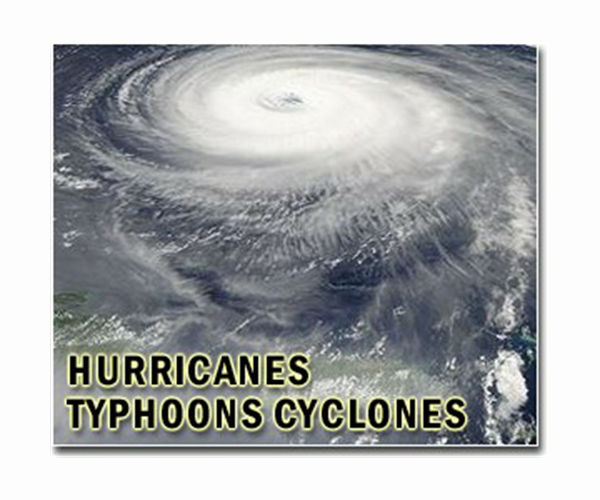
The death toll in Honduras from Tropical Storm Eta has more than doubled in 24 hours, with authorities Monday reporting 57 people had died as rescuers search for bodies.
Honduras is one of the countries worst hit by the storm, which slammed into Central America last week as a Category 4 hurricane.
Some 200 people are dead or missing after the storm deluged the region with torrential rains.
Honduran authorities had put the toll at 23 on Sunday.
Eight people are listed as missing in the country, large parts of which are under water, according to the country's emergency authority COPECO.
A relief operation is underway in Honduras' Sula Valley economic heartland, near the country's second largest city, San Pedro Sula. Two major rivers overflowed their banks, causing widespread flooding and trapping tens of thousands of people.
President Juan Orlando Hernandez thanked US soldiers from a joint task force based in Palmerola in the center of the country, as well as neighboring El Salvador, for providing assistance to the victims.
A 21-strong rescue team from El Salvador arrived on Saturday as part of the relief operation.
Eta left a trail of destruction through Honduras and Guatemala even as it weakened to a tropical storm after making landfall in Nicaragua on Tuesday.
El Salvador, Costa Rica, Panama, Cuba and Mexico have suffered varying degrees of damage from the storm, which swept into Florida on Monday with strong winds and heavy rain.
So far, the country with the highest death toll is Guatemala, where about 150 people are dead or missing.
Torrential rain and a bitter cold front linked to Eta have also claimed at least 20 lives in the southern Mexican state of Chiapas.
Eta tracks toward Florida Keys after lashing Cuba
Miami (AFP) Nov 9, 2020 –
Tropical Storm Eta headed towards Florida on Sunday and was set to strengthen into a hurricane again after slamming Cuba and earlier cutting a deadly path through Central America and southern Mexico.
The US National Hurricane Center warned that Eta was bringing "heavy rainfall and life-threatening flash flooding" as it approached southeastern Florida.
The NHC had earlier forecast that Eta would become a hurricane as it moved towards the Florida Keys "tonight and early Monday."
As of 10:00 pm local time (1500 GMT Monday), Eta was packing maximum sustained winds of 65 miles (100 kilometers) per hour, according to the Miami-based NHC.
A tropical storm is considered a hurricane when it hits wind speeds of 74 miles per hour.
A hurricane warning and storm surge warning were in effect for the Florida Keys, and a storm surge watch — which is of slightly lower urgency — was in effect for the state's southern coast.
Cuba's meteorology institute Insmet said Eta made landfall at 4:30 am (0930 GMT). As it moved north off the island, Eta punished the archipelago of Jardines del Rey, but state television reported that the 600 foreign tourists vacationing there were protected.
Heavy rains were reported in the eastern half of Cuba, where authorities have evacuated thousands of people due to the risk of flooding.
President Miguel Diaz-Canel convened an emergency government meeting, and "no loss of life or significant damage to homes have been reported," according to state media.
Before the storm arrived, 74,000 people were evacuated, 8,000 of them to shelters set up by the authorities, the reports said.
Western Cuba could be affected, including the Havana area, as the storm turns toward Florida, bringing swells that could produce flooding, forecasts said.
– Florida prepares –
Florida Governor Ron DeSantis declared a state of emergency in the state's southern counties on Saturday in advance of the storm, even as residents in the rain either protested or celebrated Joe Biden's win in the US presidential election.
The Florida Keys will close schools on Monday, Covid-19 testing sites were temporarily shut and authorities opened shelters and began handing out sandbags for residents to protect their homes from flooding.
Eta hit Nicaragua on Tuesday as a powerful hurricane before losing strength.
It caused torrential rains that have left some 200 victims dead or missing in Central America.
The most affected country has been Guatemala, where about 150 people are missing.
Rescuers on Saturday searched for the bodies of residents of an indigenous village in the north of the country that was hit by a landslide.
In Honduras, heavy flooding in the north and northwest of the country killed 23 people, according to authorities.
Torrential rain and a bitter cold front linked to Eta have also claimed at least 20 lives in the southern Mexican state of Chiapas.
